Views: 0 Author: Site Editor Publish Time: 2026-06-12 Origin: Site

Compressor failures, temperature excursions, and inventory spoilage rarely happen because of standalone hardware issues. They usually trace back to underlying control failures. In the high-stakes world of cold chain operations, you cannot afford blind spots or delayed reactions. Every minor fluctuation risks thousands of dollars in perishable goods.
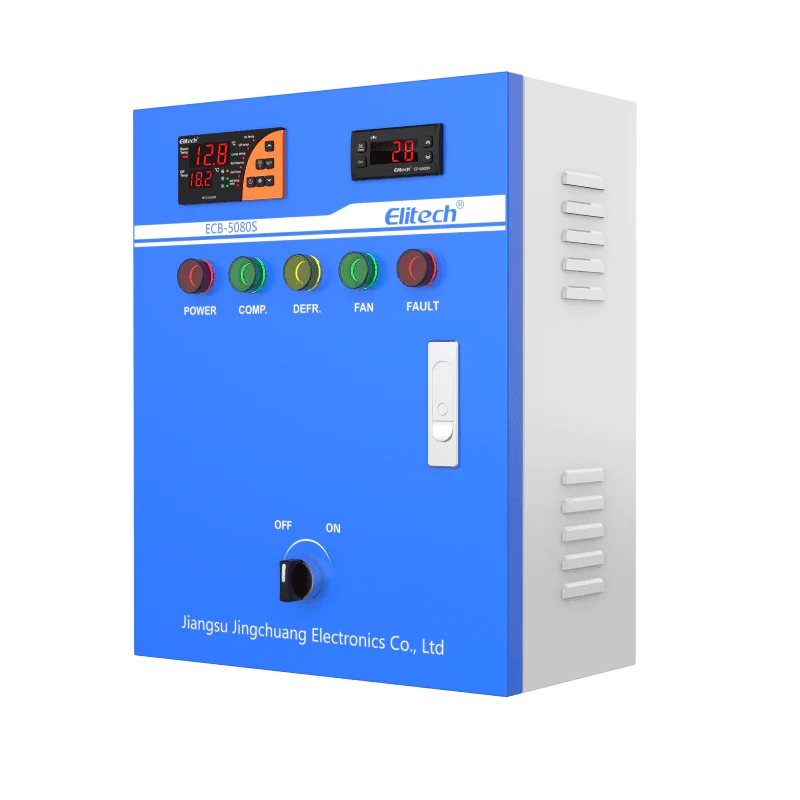
Many facility managers still treat their control panel as a simple electrical switchboard. This is a costly operational mistake. A modern Cold Room Electric Control Panel Box serves as the central nervous system of your entire refrigeration facility. It ensures strict regulatory compliance, drives daily energy efficiency, and protects extremely valuable mechanical assets from sudden grid failures. Relying on outdated analog systems puts your entire inventory at severe risk.
This article provides supply chain directors and facility managers with an evidence-based, vendor-neutral framework. You will learn how to evaluate and shortlist industrial-grade control panels accurately. We cover critical technical durability, advanced IoT monitoring capabilities, and essential compliance standards to guide your next infrastructure upgrade.
Many cold storage facilities stubbornly rely on outdated, timer-based control systems. These legacy panels fail miserably in modern, high-stakes logistics operations. They operate on rigid mechanical schedules rather than responding to real-time environmental data. This fundamental flaw creates immense operational inefficiency and severe product safety risks.
Do you assume basic on/off thermostatic controls are "good enough" for your facility? Challenge this assumption immediately. Analog systems simply cannot detect micro-fluctuations in humidity or temperature quickly enough. They rely entirely on mechanical relays. These physical relays degrade silently over time. This hidden degradation inevitably leads to delayed alarm responses. By the time an aging mechanical alarm finally triggers, your sensitive inventory might already face irreversible thermal damage.
A successful control panel upgrade completely transforms your daily operational reality. You move away from reactive crisis management. Instead, you adopt proactive facility oversight. We define a successful system upgrade through three core criteria:
| Feature | Legacy Control Systems | Modern Smart Panels |
|---|---|---|
| Defrost Logic | Fixed mechanical timer schedules | Real-time demand sensing |
| Alarm Triggers | Mechanical relay thresholds | Predictive algorithmic alerts |
| Data Logging | Manual clipboard entry | Automated cloud syncing |
| Troubleshooting | Complex manual wire tracing | Digital diagnostic codes |
The physical box enclosure matters immensely. Cold rooms naturally create harsh, wet operating environments. Condensation forms constantly on external surfaces. Temperatures shift wildly during routine loading operations. You need strict NEMA 4X or IP65/IP66 enclosure ratings. These ratings serve as absolute baseline requirements for any industrial setup.
These specific ratings prevent moisture ingress effectively. They also resist corrosion from harsh cleaning chemicals used during sanitation washdowns. Without proper rubber gasket sealing, internal condensation quickly ruins sensitive microprocessors. Frost damage rapidly destroys exposed circuit boards, leading to sudden system death.
Always open the panel door and examine the interior electrical layout. You must look for authentic, industrial-grade contactors. Verify the physical presence of robust thermal overload relays. Clean, modular wiring configurations are absolutely essential for long-term viability.
Technicians must navigate the box easily during high-stress emergencies. Tangled spaghetti wiring leads directly to disastrous maintenance delays. A neat, logically labeled layout allows for rapid troubleshooting. We strongly advise avoiding custom proprietary circuit boards. If a relay burns out at midnight, you need standard, off-the-shelf DIN-rail parts. You can replace a standard contactor in ten minutes. A proprietary manufacturer board might take three weeks to ship.
Legacy panels typically utilize "timed defrost" logic. This outdated method triggers heating elements blindly. It runs every few hours regardless of actual frost buildup on the evaporator coils. This blind action wastes massive amounts of electrical energy. It also spikes the ambient room temperature unnecessarily, forcing the compressor to work harder afterward.
Modern panels utilize sophisticated "demand defrost" logic instead. Intelligent sensors monitor the actual physical frost accumulation on the coils. The system only initiates a defrost cycle when absolutely necessary. This smart algorithmic approach protects internal product integrity. It also reduces overall compressor runtime significantly.
When selecting your next Cold Room Electric Control Panel Box, network connectivity is non-negotiable. It must integrate seamlessly into your broader facility ecosystem. Isolated systems represent massive operational liabilities.
Assess exactly how the unit communicates with your existing infrastructure. Does it talk seamlessly to your current Building Management Systems (BMS) or SCADA platforms? You should look for standard industrial communication protocols. RS485 and Modbus RTU remain highly reliable for harsh environments. Ethernet capabilities allow faster, more robust local area networking.
Manual clipboard logs routinely fail modern compliance audits. You must frame automated data capture as an absolute operational necessity. You need to log historical temperature data meticulously. This capability satisfies strict WHO vaccine taxonomy standards. It also meets rigorous FDA 21 CFR Part 11 requirements regarding electronic signatures and secure records. Local food safety auditors operating under HACCP frameworks demand verifiable electronic records.
Emergency alarms must reach you instantly, regardless of your physical location. Look for multi-channel digital alert systems. The panel should dispatch SMS text messages, secure emails, and smartphone app push notifications simultaneously. Critically, the IoT monitoring module needs an independent backup battery power supply. If the main facility power grid fails entirely, your panel must still transmit distress signals effectively.
Industrial compressors represent massive capital investments. Your control panel must protect them ruthlessly against electrical anomalies. Smart logic functions directly extend the mechanical lifespan of your heavy equipment.
Variable Frequency Drives (VFDs) change how industrial motors operate. A modern panel must handle VFD integrations cleanly. VFDs completely eliminate the harsh electrical spikes associated with raw compressor startups. They also optimize running fan speeds continuously based on real-time thermal loads. This smooth operation reduces mechanical wear drastically over time.
Utility power grids rarely remain perfectly stable. You must detail the necessity of strict electrical safeguards. Phase failure and phase reversal protection are mandatory inclusions. Over/under-voltage monitors watch the incoming electrical line constantly. The panel must willingly sacrifice a cheap internal fuse to protect the broader system. It should trip a breaker without hesitation. Doing so successfully saves a $10,000 compressor motor from catastrophic electrical burnout.
Power grids sometimes flicker briefly during severe weather. This brief interruption severely damages heavy motors. The panel's Programmable Logic Controller (PLC) needs mandatory anti-short-cycling time delays. This logic prevents the motor from restarting instantly against high head pressure. It patiently waits several minutes until internal refrigerant pressures equalize safely.
Engineering theory often differs from actual facility installation. You must plan the transition phase carefully to avoid extensive downtime.
Determine your exact operational scenario early. Are you retrofitting an old room or building a new facility? You must verify if a new control panel can cleanly interface with legacy equipment. Older compressors and evaporators require specific electrical load matchings. Sometimes, you must replace aging analog temperature sensors during the retrofit to support the new digital inputs.
We highly recommend asking vendors tough, specific questions before purchasing. Use this vetting checklist to evaluate your options:
You must acknowledge the harsh reality of installation downtime. Swapping panels requires taking the entire cold room offline. You must securely transfer sensitive inventory beforehand. After completing the physical wiring, commissioning tests are absolutely critical. You must test the new system deliberately under peak load conditions. Never assume it works perfectly upon the first power-up. Manually trigger fail-safes to ensure the alarms fire correctly.
Buying an advanced electric control panel box represents a critical investment in risk mitigation. It is never just a routine operational expense. A properly specified panel protects your costly inventory, slashes wasted energy consumption, and provides the verifiable data necessary to pass strict regulatory audits.
Your next steps should focus on clear evaluation. Audit your current panel's downtime logs immediately to identify hidden vulnerabilities. Request comprehensive electrical wiring schematics from prospective vendors. Demand live demonstrations of their IoT interfaces. By prioritizing durability, smart connectivity, and robust compressor protection, you ensure your cold chain remains unbroken, compliant, and highly efficient.
A: Yes, provided the new panel's load ratings match the existing compressor and evaporator specifications perfectly. It often requires updating analog sensors to digital versions alongside the panel. Always verify electrical compatibility before starting the physical swap.
A: If installed completely outside the room in a dry hallway, IP54 may suffice. However, if subjected to daily washdowns or placed near the main door where heavy condensation forms, IP65 is the minimum acceptable standard to prevent water ingress.
A: Through intelligent demand-based defrosting, optimized fan speed control via VFDs, and preventing compressor short-cycling. These smart logic functions directly reduce wasted kilowatt-hours and lower overall mechanical operational stress significantly.